

 Researchers at the University Medical Center Utrecht [UMC], the Netherlands, have discovered a gene, described as LPR6, that may cause oligodontia, the absence of six or more teeth. With the team’s findings published in the recent edition of The American Journal of Human Genetics, the discovery makes it possible to diagnose patients more effectively and provide them with better information and tailored treatment.
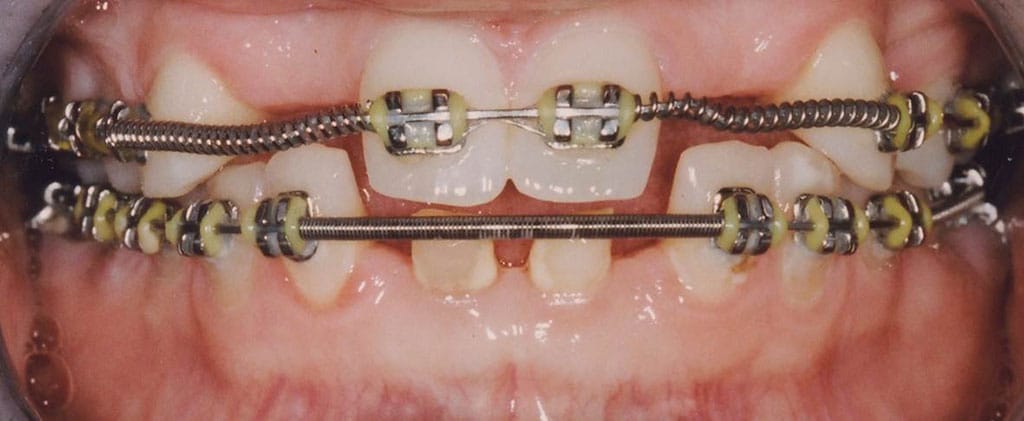
While local studies are limited, oligodontia affects 14 out of every 10,000 people in Europe, and is found to be the result of genetic mutations. While there are two types of the condition – oligodontia as part of a syndrome and oligodontie as an isolated condition – possible causes include viral disease during pregnancy, genetic predisposition, metabolic imbalances, developmental abnormalities and environmental factors. It has been known to lead to speech difficulties, low self-esteem and complicated and oftentimes uncomfortable treatments.
The UMC study involved genetic testing in 20 patients with nonsyndromic oligodontia using whole exome sequencing, which identifies the protein coding regions of the human genome. The research revealed not only that the condition is caused by a mutation in the LPR6 gene, but also that patients indicate a 50 per cent chance of passing the mutation on to their children. “In these patients, the gene is primarily associated with the absence of teeth and, in principle, not with other serious conditions,” wrote Dr Marie-Jose van den Boogaard, a clinical geneticist at UMC involved in the study.
“Most patients want to know the cause. Why does it develop? Will my children get it as well? And what is the risk of this happening? This new research provides better insight into the biology of tooth development. The LPR6 gene is now included in the DNA diagnostics of oligodontia, enabling us to give patients a better diagnosis, and to provide better information and to develop customised treatment.”


